
Network Engineering
Connecting the World, One Network at a Time.
Network engineering involves designing, implementing, and managing computer networks that enable data exchange and communication between devices. These networks are essential for businesses, organizations, and individuals, ensuring connectivity, security, and efficiency in data transmission.

Key Responsibilities of a Network Engineer
- Network Design & Planning: Developing network architecture that meets organizational needs, including LAN, WAN, VPN, and cloud-based networks.
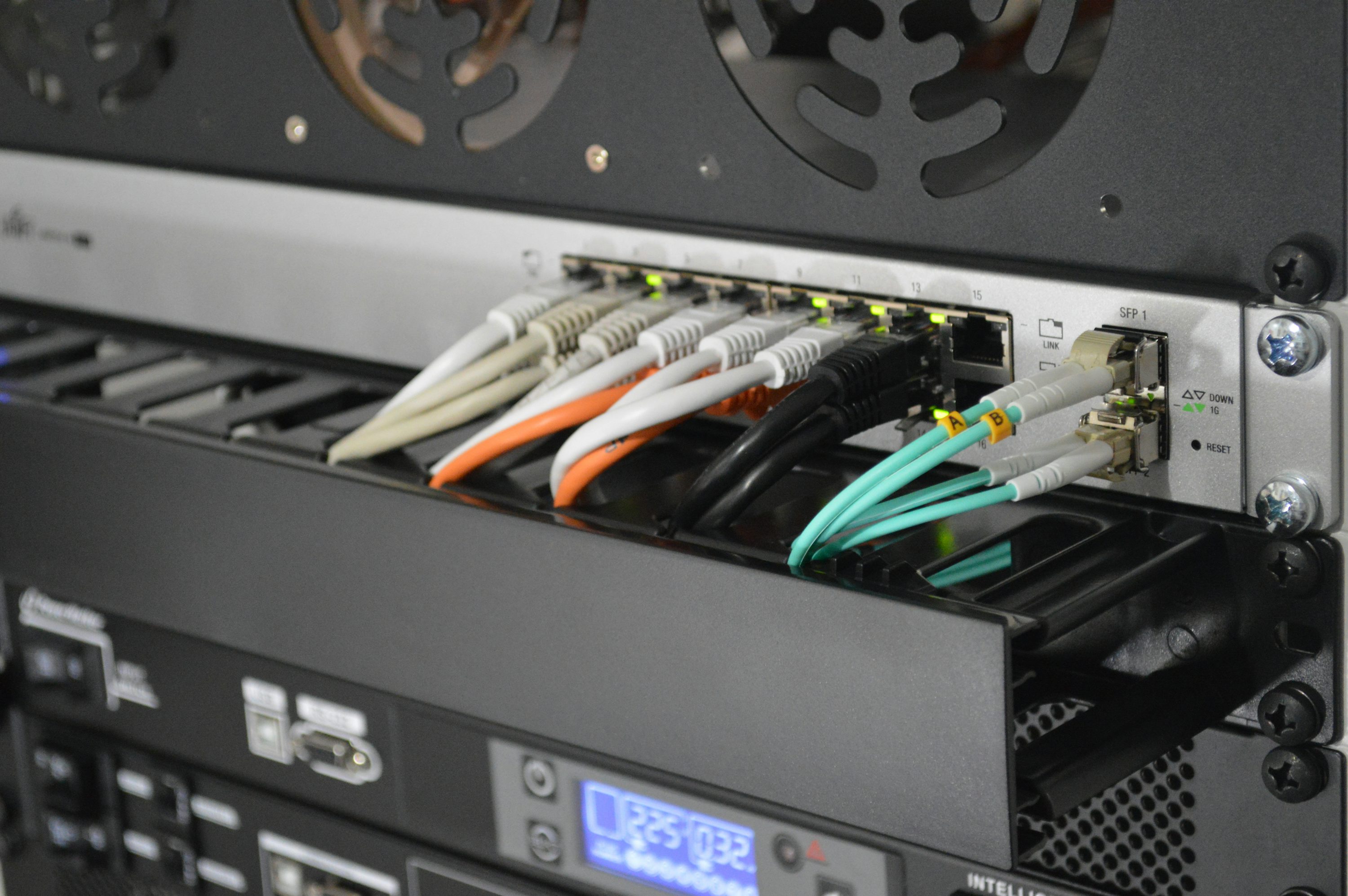
- Installation & Configuration: Setting up hardware (routers, switches, firewalls) and software to ensure smooth network operations.
- Network Maintenance: Regular monitoring, troubleshooting, and upgrading of network infrastructure to maintain optimal performance.
- Security Management: Implementing and maintaining network security protocols to protect data from unauthorized access, breaches, and cyber threats.
- Collaboration: Working with IT teams and other departments to integrate new technologies and address network-related issues.

Types of Networks
- Local Area Network (LAN): A network confined to a small geographical area, such as an office or building.
- Wide Area Network (WAN): Covers a broad area, connecting multiple LANs across cities, states, or even countries.
- Virtual Private Network (VPN): Allows secure remote access to a network over the internet.
- Wireless Networks: Utilizing wireless technology (Wi-Fi) for connectivity within a specified range.
- Cloud Networks: Hosted networks that leverage cloud computing to provide scalable and flexible solutions.
Tools and Technologies
Tools and Technologies

Network engineering involves designing, implementing, and managing computer networks to ensure efficient communication and data transfer. It includes tasks like configuring routers and switches, monitoring network performance, and troubleshooting issues. Network engineers ensure secure, reliable connectivity and optimal performance for businesses and organizations.